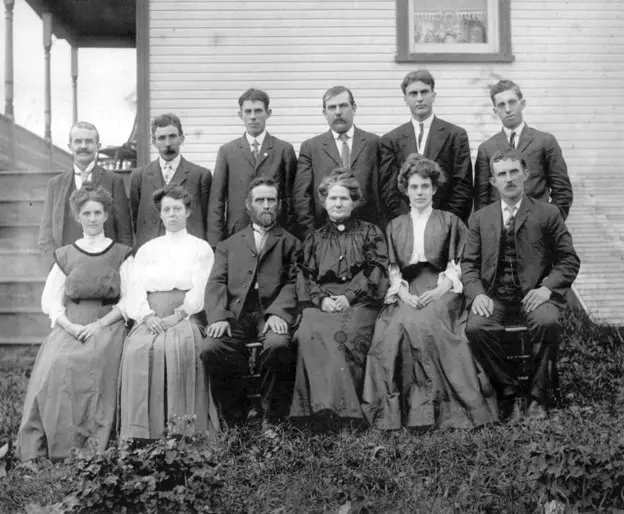
Generational family businesses are more than economic entities – they are the custodians of family legacies, traditions, and values. As a business consultant, Theresa has had the privilege of helping several of these unique organizations navigate the complexities of balancing heritage with growth, tradition with innovation, and legacy with sustainability. Continuing our mission to simplify complex problems and provide straightforward solutions, we offer these tips from the Success Trek team’s everyday experience and education on how these businesses can succeed in today’s competitive landscape while preserving their rich histories.
- Embrace Succession Planning Early. Succession planning is one of the biggest challenges in family businesses. Families often hesitate to tackle this due to emotional ties or power dynamics, but a proactive approach is critical for continuity. A formal succession plan helps identify future leaders, outline mentorship, and create a structured transition timeline. Starting early enables younger family members to gain relevant experience across roles. It’s also wise to involve external advisors who can objectively assess readiness. An effective succession plan eases transitions, reduces friction, and shows employees and stakeholders that leadership is actively driving the business toward long-term success.
- Define Clear Roles and Responsibilities. Personal and professional boundaries can blur in family businesses, leading to misunderstandings. Defining clear roles and responsibilities for each family member is crucial. An organizational chart and job descriptions can clarify expectations and align everyone with the company’s needs. Regularly reviewing these roles helps maintain alignment and reduce tension as the business grows. Holding separate business meetings can foster professionalism, ensuring business matters are handled with focus and preventing personal issues from overshadowing discussions.
- Balance Tradition with Innovation. Legacy is a unique strength of family businesses, but relying solely on tradition can stifle growth. To remain competitive, family businesses must embrace change and innovation – without losing their essence. For instance, a company known for handcrafted goods can expand through e-commerce while retaining its artisanal appeal. Integrating sustainable practices is another way to resonate with modern consumers while staying true to core values. Working with a consultant or innovation specialist can help find ways to modernize the business without compromising its identity.
- Preserve and Communicate Core Values. Family businesses often excel in customer loyalty due to their strong values and commitment to serving their customers. However, defining and communicating these values is essential as the company grows. What values have driven the business since its inception? How can they be reflected in daily operations, decisions, and employee interactions? Documented core values are a foundation for consistent messaging and decision-making. It also gives non-family employees a sense of purpose, fostering loyalty and a strong company culture.
- Bring in External Perspectives. Bringing in outside perspectives is invaluable for family businesses. A board of advisors can offer valuable insights on market trends, financial strategy, and operational improvements that family members might overlook due to their proximity to the business. Hiring non-family executives is another effective way to bring objectivity and expertise, helping the company stay competitive while enhancing family strengths.
Generational family businesses are integral to many economies; however, they require structured planning, clear boundaries, and a willingness to innovate to thrive in today’s market. With a thoughtful approach, these businesses can honor their legacy while embracing new opportunities, ensuring success for generations to come.
Did you know that Theresa’s first foray into business was working with her grandfather and father in a family business? Theresa always knew she wanted to be a business owner one day. While she enjoyed the hands-on and back-office tasks, the organizational development aspect of the business caught her attention the most. Throughout the years, and wherever the setting, Theresa consistently found her role as a leader, guiding others through change, supporting strategic initiatives, and helping to achieve organizational goals. Theresa and the Success Trek team bring their experiences and talents to help our clients manage change, growth, and sustainability. We have experienced the same business challenges as our clients and use that experience to help them. Our passion is to work together to solve your business challenges, strengthening companies from within so people have what they need to do their best work.
Ready (or not) to take action?
Request a FREE 30-minute Video Chat Session. If you are unsure if Success Trek can help, work within your budget, or what the problem is, this video chat session is a good fit for you.
In just 30 minutes, we:
- Get an opportunity to get to know one another
- Gain a better understanding of your needs or concerns
- Discuss ways Success Trek can help and the next steps to consider
- Determine if it makes sense to work together
Go to https://success-trek.com/takeaction/, provide some information, and submit your request. We will respond within 48 business hours!
